
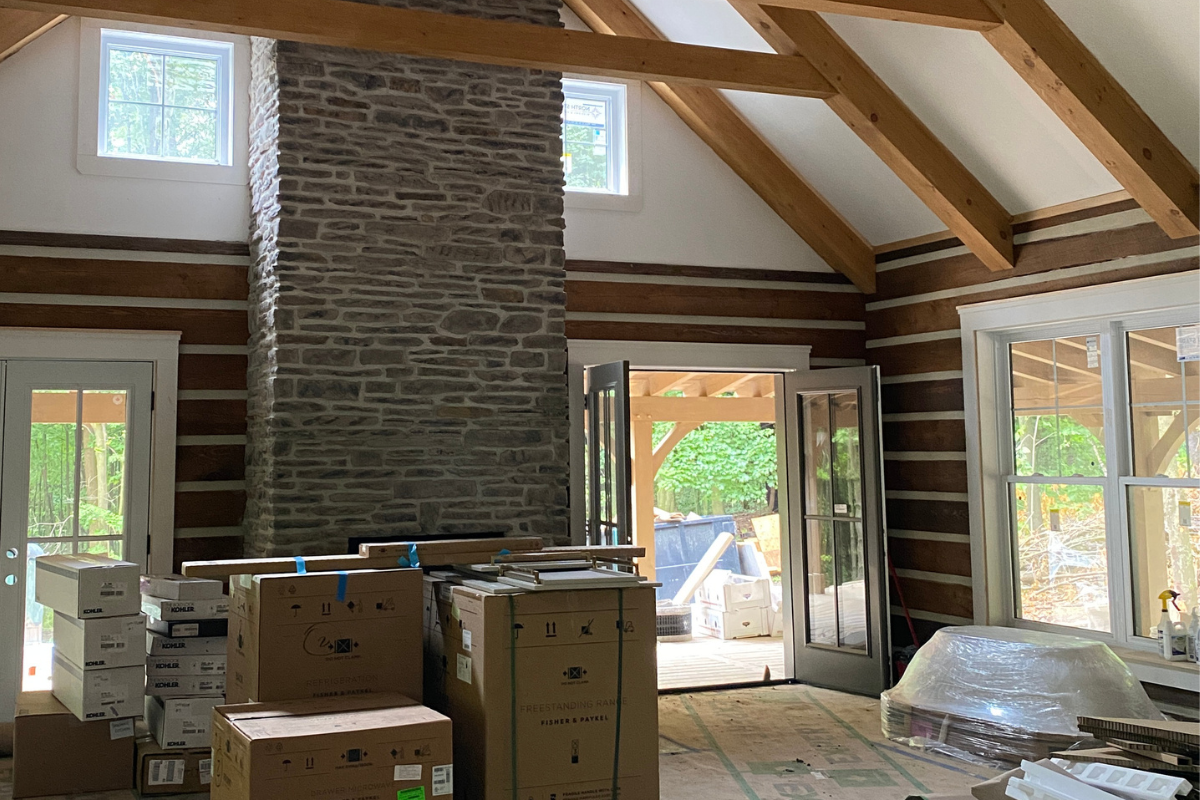
Renovating your home is one of the most significant investments you will make. It is also one of the most disruptive. Dust, decisions, tradespeople in and out, and weeks (sometimes months) of living in the middle of something unfinished. What makes the difference between a renovation that feels manageable and one that derails your daily life is not just the quality of the finished work. It is how well you understand what is coming.
Here is an honest look at what the renovation process actually involves, and what you can do to set yourself up for a smooth experience.
The Design Phase Comes First
Before any walls come down or materials get ordered, the design process needs to be complete. This is where decisions about layout, materials, finishes, fixtures, and custom elements are made. Skipping this step, or compressing it, is one of the most common reasons renovations go over budget and over schedule.
At Wellington House, we use the design phase to get clear on every detail before construction begins. That means fewer surprises, fewer change orders, and a contractor who can price the job accurately. For clients in Peterborough, Kawartha Lakes, and Northumberland County, this phase typically runs three to eight weeks depending on the scope of the project.
Living Through Construction
Once construction begins, your home becomes a worksite. Here is what to expect.
Your space will be unusable during active work. If it is a kitchen renovation, plan for meals to be cooked elsewhere for several weeks. If it is a bathroom, arrange access to another.
Timelines shift. Materials are backordered, tradespeople have overlapping schedules, and unexpected conditions behind walls are discovered. A good contractor will communicate these changes promptly. Build buffer time into your expectations from the start.
Dust travels farther than you think. Plastic sheeting helps, but renovation dust finds its way through gaps. Protect furniture and belongings in adjacent spaces before work begins.
The Order of Trades Matters
Renovations follow a sequence: rough-in work (electrical, plumbing, HVAC) happens before drywall. Drywall happens before flooring. Custom elements like cabinetry are installed after rough-in is complete. Painting typically happens last, or close to it.
Understanding this order helps you recognize progress even when a space looks incomplete. If you have just had rough-in done and the walls are still open, that is exactly where you should be.
Change Orders: What They Are and How to Handle Them
A change order is a formal adjustment to the original scope of work. It has a cost and a timeline impact. Change orders happen in almost every renovation, and they are not necessarily a sign that something went wrong.
Common reasons: you decide to add a tile feature wall that was not in the original plan. A structural element is discovered that requires additional work. A fixture is changed after it has been ordered.
The best approach is to make decisions before construction starts and to hold firm unless a change is truly worth the cost and the delay. Indecision during construction is expensive.
What Wellington House Does During Construction
Our involvement does not end when the first nail goes in. We conduct site visits to check that work aligns with the design intent, review materials and finishes as they arrive, and address questions from the contractor promptly so the job does not stall waiting on answers.
For clients using our Full-Service or Turnkey packages, we manage procurement and coordinate with trades directly. For clients using The Blueprint (design-only), we stay available to answer questions and provide additional documentation as needed.
The Reveal
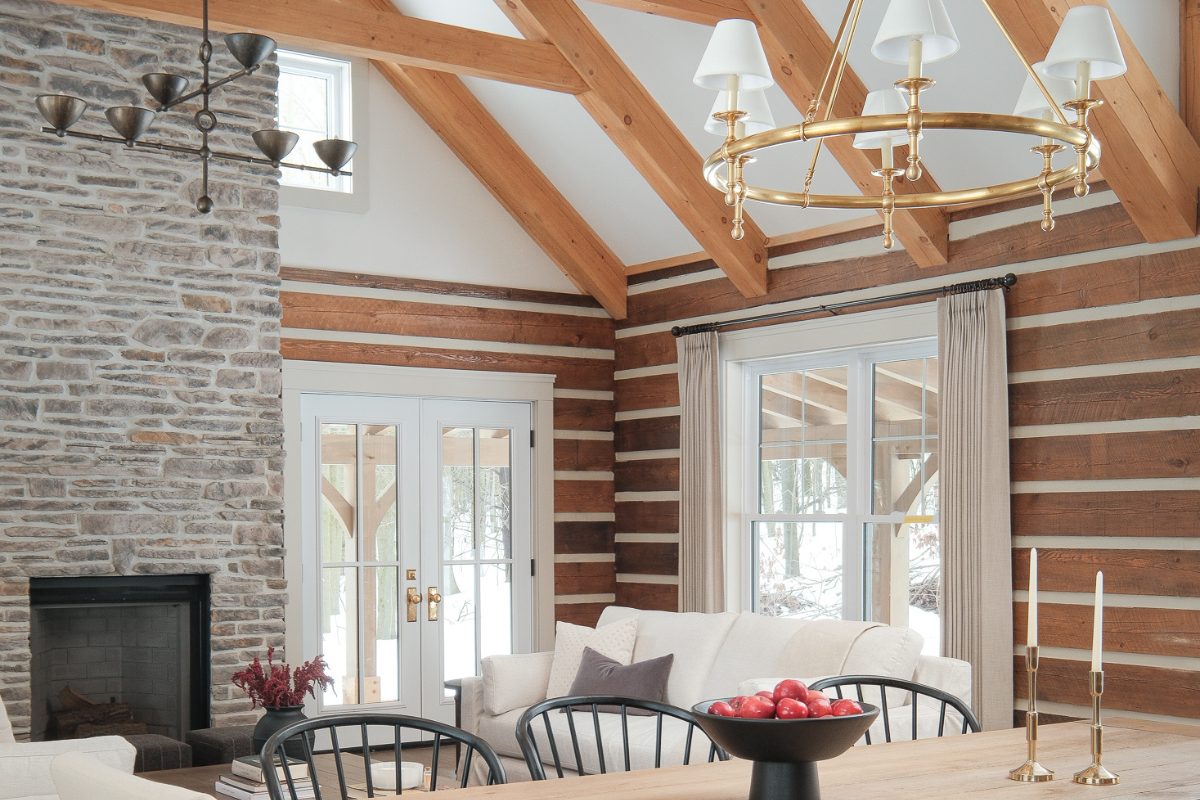
When the dust settles and the last coat of paint dries, the reveal is one of the best moments in the process. But it is also the moment where small punch-list items surface: a paint touch-up here, a cabinet adjustment there. Build time for this into your expectations. A good contractor addresses these promptly.
The renovation is complete, and your home now reflects exactly what you chose during the design phase. That is the payoff.